In the fast-moving world of digital dentistry, clinical success boils down to one thing: how effectively clinical hardware integrates with laboratory workflows. We recently tracked a restoration case that perfectly captures this synergy.
A 32-year-old female patient came in needing an aesthetic fix for a maxillary central incisor defect. Instead of the conventional workflow, the clinic leveraged a 3Shape TRIOS 5—backed by a customized medical-grade control panel—linked directly to a chairside CAD terminal. By syncing up with BestoDental’s digital lab for a custom zirconia crown, the team achieved accurate fit without remake, bypassing the usual back-and-forth of remakes.
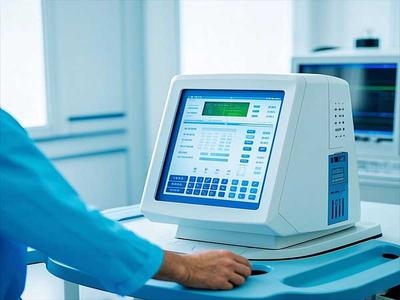
One of the key challenges in clinical environments is frequent disinfection. Intraoral scanner interfaces are repeatedly wiped with alcohol or chlorine-based disinfectants. Conventional interface panels may fade, blister, or experience button failure after several months of use, resulting in scan interruption and repeated data collection.
To improve device reliability, the scanner interface was upgraded with a customized medical-grade membrane switch and chemical-resistant panel solution from Graphicoverlaysz The panel used a scratch-resistant coating and high-clarity display window, designed to withstand repeated cleaning with 75% alcohol and 0.5% sodium hypochlorite. After 5,000 cleaning cycles, the interface showed no fading or blistering.
The upgraded interface also provided sensitive tactile feedback, allowing accurate operation even when clinicians wore gloves. Display visibility remained stable in humid clinical environments. As a result, the scanner operated continuously for 18 months without interface failure, while scanning efficiency improved by approximately 30%. The first-time successful data capture rate reached 99.7%.
On the laboratory side, the intraoral scan data was transmitted directly to BestoDental’s digital production system, eliminating the need for physical model shipping. The lab followed a standardized CAD/CAM workflow, including 3D design, zirconia block milling, staining, glazing, and quality inspection. The full production process was completed within 48 hours.
The stability of the equipment interface helped ensure accurate scanning operation, while the digital workflow provided the laboratory with a high-quality model, clear margin lines, and accurate occlusal data. This coordination reduced the risks commonly associated with traditional workflows, such as model deformation during shipping, inaccurate margins, and remake rates that may reach around 8% in conventional processes.
The clinical outcome showed strong accuracy and efficiency. The final crown achieved a marginal fit within 20 μm, compared with the common industry benchmark of 50 μm. Occlusal contact was even, and the aesthetic result matched the patient’s expectations.
The entire process, from initial scanning to the final seat, was wrapped up in just three days—a massive leap from the usual 7–10 day turnaround. The crown was seated successfully without remake, and the patient reported full satisfaction. A year later, the restoration is holding up beautifully; we’ve seen no signs of loosening, staining, or marginal issues, and the patient reports zero occlusal interference or sensitivity.
The takeaway here is that digital dentistry isn’t just about owning an advanced scanner or a CAD/CAM mill. It’s about the “digital chain.” This case proves that when you sync up high-end medical-grade interfaces with tight lab collaboration, clinics can shorten treatment cycles, improve first-attempt accuracy, and reduce remake risks.
Media Contact
Company Name: kiwimore
Email: Send Email
Country: China
Website: https://kiwimore.com/
Press Release Distributed by ABNewswire.com
To view the original version on ABNewswire visit: From Scan to Seat in 3 Days, Interface Stability and Lab Collaboration Improve Crown Restoration Accuracy

