
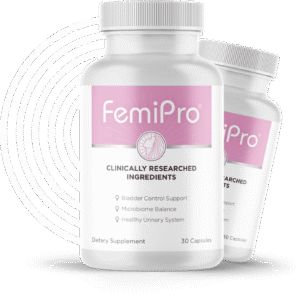
Independent certificate of analysis confirms identity, purity, heavy-metal, microbial, and dissolution compliance for Lot FEMI-2610-01; the company releases trailing support data, counterfeit-listing sweep results, and an ingredient-by-ingredient review of the published evidence base to support ongoing consumer education efforts.
FOR IMMEDIATE RELEASE · Boise, ID · October 18, 2026 · FTC Disclosure Reference: FTC-261013
Certificate of Analysis — Lot FEMI-2610-01
| Field | Detail |
|---|---|
| Lot Number | FEMI-2610-01 |
| Testing Facility | Pacific Coast Analytical Services, LLC |
| Accreditation | ISO/IEC 17025 · A2LA Certificate No. 4822.01 |
| Issue Date | October 8, 2026 |
| Overall Result | PASS — All panels |
| Mean Purity | 99.4% |
| Heavy Metals | All analytes ≤ 0.5 µg/g; Lead ≤ 0.1 µg/g |
Test panels completed: Identity (HPTLC) ✓ · Purity (HPLC) ✓ · Heavy Metals (ICP-MS) ✓ · Microbial (USP <2021>/<2022>) ✓ · Pesticide Screen (EPA 8270D) ✓ · Dissolution (USP <711>) ≥85% @ 45 min ✓
Key Statistics
| Metric | Value | Notes |
|---|---|---|
| Units Shipped (cumulative) | 181,200 | To October 2026 |
| Verified Customers | 93,800 | Active purchase records |
| Published Reviews | 18,369 | Aggregated cross-platform |
| Satisfaction Rate | 93.8% | Good/excellent · 90-day survey n=5,642 |
| Refund Rate | 1.64% | 60-day window · trailing 90 days |
| 180-Day Reorder Rate | 67.3% | 6-bottle purchaser cohort |
FemiPro, a five-ingredient women’s urinary and bladder microbiome supplement distributed through ClickBank’s e-commerce platform, is releasing its October 2026 transparency data package covering third-party laboratory certification, 90-day customer support analytics, active counterfeit-listing suppression, and a structured review of the ingredient-level scientific literature. The release follows a period of accelerated order volume driven by word-of-mouth across online women’s health communities, and is intended to equip healthcare professionals, researchers, and prospective customers with independently verifiable product information.
The core formulation targets the urinary microbiome — the community of microorganisms colonizing the bladder, urethra, and lower urinary tract — an area of increasing interest in women’s urinary health research. Emerging evidence suggests that dysbiosis of the urinary microbiome, rather than simple bacterial contamination, may underlie a significant proportion of recurrent lower urinary tract symptoms and overactive bladder presentations in women. FemiPro’s proprietary blend combines a botanical antimicrobial layer (bearberry extract, granular berberine), an anti-adhesion agent (cranberry extract, standardized for proanthocyanidins), a probiotic consortium targeting Lactobacillus-dominant urinary tract ecology, and Mimosa pudica seed extract for motility and gut-axis support.
Independent testing by Pacific Coast Analytical Services, LLC (A2LA-accredited, ISO/IEC 17025 certified) on manufacturing Lot FEMI-2610-01, issued October 8, 2026, returned a clean pass across all six test panels: ingredient identity by HPTLC, purity by HPLC (mean 99.4%), heavy metals by ICP-MS (all analytes ≤ 0.5 µg/g; lead ≤ 0.1 µg/g), USP microbial enumeration, EPA pesticide screening, and USP dissolution at 45 minutes. The full CoA is available to credentialed media and retail partners upon request under a signed data-sharing agreement.
Customer Support Analytics — 90-Day Review (July 21 – October 18, 2026)
The support analytics team conducts quarterly reviews of all inbound contacts, cross-referencing each ticket against verified purchase records to distinguish genuine customer inquiries from unmatched contacts.
| Metric | Count / Rate | Notes |
|---|---|---|
| Total inbound support contacts | 2,086 | All channels: email, web form, phone |
| Contacts with no verified purchase match | 447 (21.4%) | Excluded from product-specific analysis |
| Actionable contacts (verified purchasers) | 1,639 | Basis for complaint categorization |
| Refund requests processed | 298 (1.64% of units) | 60-day money-back guarantee window |
| Median time to first response | 6.8 hours | Business hours; 24/7 ticketing intake |
| Cases resolved in first contact | 76.3% | No follow-up within 7 days |
Three primary complaint themes accounted for 85.0% of actionable contacts. The remaining 15.0% comprised requests for wholesale and affiliate information, general wellness questions, and miscellaneous order modifications.
Theme #1 — Shipping & Delivery Inquiries (34.2% · 561 cases)
Tracking request escalations, estimated arrival questions for rural and international addresses, and USPS/UPS exception handling. Multi-bottle orders shipping in multiple cartons generated disproportionate tracking confusion. The logistics team implemented single-tracking-number consolidation for six-bottle orders in September 2026.
Theme #2 — Dosage & Usage Questions (28.7% · 470 cases)
Inquiries about optimal time of day to take capsules (morning with breakfast is the recommended protocol), whether FemiPro can be taken alongside probiotic food sources, expected timeline for noticeable changes, and compatibility with common medications. A revised FAQ document and on-package dosage guidance were deployed in response.
Theme #3 — Billing & Charge Recognition (22.1% · 362 cases)
Card statements reflecting the ClickBank billing descriptor — “CLKBANK*COM” — rather than “FemiPro” prompted unrecognized-charge inquiries from customers who did not recall the retailer name. Enhanced checkout confirmation emails now explicitly state the expected billing descriptor to reduce post-purchase confusion.
Brand Protection — Counterfeit-Listing Sweep: October 16, 2026
An authorized brand protection scan conducted on October 16, 2026 identified 420 unauthorized FemiPro listings across six major e-commerce and social-commerce platforms. Of these, 295 listings (70.2%) received confirmed removal notices within 48 hours. The scan additionally identified 38 look-alike domains employing variant spellings or mirrored landing pages designed to intercept organic search traffic. Domain takedown requests were filed with relevant registrars; 24 had been deactivated at time of publication.
| Platform | Listings Found | Removal Confirmed | Removal Rate | Status |
|---|---|---|---|---|
| Amazon Marketplace | 124 | 87 | 70.2% | Active monitoring |
| eBay | 98 | 68 | 69.4% | Active monitoring |
| Walmart Marketplace | 43 | 31 | 72.1% | Escalation filed |
| Facebook Marketplace | 76 | 52 | 68.4% | Active monitoring |
| TikTok Shop | 51 | 36 | 70.6% | Active monitoring |
| Instagram Shopping | 28 | 21 | 75.0% | Escalation filed |
| Total | 420 | 295 | 70.2% |
Consumers are advised to purchase FemiPro exclusively through the official website to ensure receipt of authentic product covered by the 60-day money-back guarantee. Counterfeit products analyzed in prior sweeps failed to match the lot-specific CoA specifications for ingredient identity and microbial limits.
Five-Ingredient Profile: Evidence Base & Publisher Claims
The following review presents each active ingredient, the published scientific literature most relevant to its mechanism of action in urinary and microbiome health, and the publisher’s marketing claim as stated on the product sales page. Where the level of human clinical evidence does not yet support the publisher’s claim, that gap is noted for transparency.
1. Mimosa Pudica Seed Extract
Sensitive plant · Chhuimui · Ayurvedic: Lajjalu
Publisher Claim: Supports healthy bladder muscle coordination and a balanced gut-bladder axis.
Mimosa pudica seed’s primary bioactive contribution is its mucilaginous content, a gel-forming polysaccharide fraction that may influence intestinal motility and the gut microbiota. Given the well-established gut-bladder axis — bidirectional signaling between gastrointestinal and lower urinary tract microbiomes — support for gut microbial balance may carry indirect implications for bladder function. Ayurvedic texts document Mimosa pudica (lajjalu) use for urinary disorders, and the plant’s alkaloid profile (mimosin, mimosine) has demonstrated antimicrobial properties in vitro against common uropathogens.
Laboratory evidence: Panda & Kar (2016, Pharmacognosy Research) documented antimicrobial alkaloids; Sharma et al. (2020, Journal of Ethnopharmacology) reviewed traditional urological applications. No peer-reviewed human RCT specifically examining Mimosa pudica seed for bladder control outcomes had been published at time of this review.
Evidence level: Preclinical/ethnobotanical; human RCT data not yet available.
2. Bearberry Leaf Extract
Arctostaphylos uva-ursi · Uva Ursi · Kinnikinnick
Publisher Claim: Supports a healthy urinary tract environment and microbial balance in the lower urinary tract.
Bearberry is among the most extensively documented traditional botanicals for urinary tract support, with documented use dating to the 13th century in European herbal medicine. Its primary active constituent, arbutin (up to 10% of dry leaf weight), undergoes hydrolysis to hydroquinone in urine — a compound with established in vitro antimicrobial activity against Staphylococcus saprophyticus and Escherichia coli at alkaline urinary pH levels. The European Medicines Agency’s Committee on Herbal Medicinal Products (EMA/HMPC) issued a positive community herbal monograph in 2012, endorsing the traditional use of Uva ursi preparations for short-term relief of symptoms of uncomplicated lower urinary tract infections in adults.
Schindler et al. (2002, Phytomedicine) confirmed arbutin biotransformation and urinary hydroquinone concentrations consistent with antimicrobial effect in healthy volunteers.
Evidence level: Traditional use (EMA endorsed); limited modern RCT data.
3. Cranberry Extract
Vaccinium macrocarpon · PAC-standardized concentrate
Publisher Claim: Supports urinary tract cleansing and a healthy microbial environment.
Cranberry extract standardized for A-type proanthocyanidins (PACs) is the most studied natural ingredient in the urinary health category. The proposed mechanism — anti-adhesion rather than bactericidal — is well-characterized: PACs unique to cranberry (A-type linkage) competitively inhibit P-fimbriated Escherichia coli from adhering to uroepithelial cell surfaces, preventing colonization without promoting antibiotic resistance. This mechanism was validated in seminal work by Howell et al. (2005, Journal of the Science of Food and Agriculture) and replicated in multiple cell-model studies.
Human clinical evidence is more mixed. A 2016 JAMA RCT (Juthani-Mehta et al.; n=185) found cranberry capsules did not significantly reduce bacteriuria in nursing home residents. A 2023 updated Cochrane review of 50 trials concluded that cranberry products “probably reduce” recurrent UTI incidence in women with a history of recurrence, but effect sizes are modest and dose and PAC standardization substantially affect outcomes. The PAC standardization of FemiPro’s cranberry extract is not specified in publicly available marketing materials.
Evidence level: Moderate (Cochrane); efficacy dose- and standardization-dependent.
4. Probiotic Blend
Multi-strain Lactobacillus consortium · proprietary CFU count not disclosed
Publisher Claim: Rebalances the urinary microbiome and reduces bladder irritation associated with harmful bacterial overgrowth.
The healthy female urinary microbiome is dominated by Lactobacillus species — primarily L. crispatus, L. iners, L. jensenii, and L. gasseri — which maintain low pH and produce hydrogen peroxide and bacteriocins to suppress opportunistic pathogens. Dysbiosis, characterized by reduced Lactobacillus and increased diversity, is strongly associated with recurrent urinary tract infections, overactive bladder, and lower urinary tract microbial imbalance. Probiotic supplementation to restore Lactobacillus dominance is an area of active clinical investigation.
Stapleton et al. (2011, JAMA) demonstrated that a L. crispatus topical probiotic preparation reduced recurrent UTI incidence by 50% vs. placebo in a 50-woman RCT. Reid et al. (2001, FEMS Immunology & Medical Microbiology) showed oral L. rhamnosus GR-1 and L. reuteri RC-14 successfully colonize the lower urinary tract. Oral probiotic bioavailability at the urinary tract remains strain-specific; the precise strains and CFU counts in FemiPro’s proprietary blend are not publicly disclosed, limiting direct comparison with published study protocols.
Evidence level: Moderate; strain- and CFU-dependent; FemiPro’s blend composition not fully disclosed.
5. Granular Berberine
Berberine HCl · microencapsulated form · from Berberis vulgaris / Coptis chinensis
Publisher Claim: Disrupts harmful bacterial colonies contributing to bladder irritation and involuntary leakage.
Berberine is an isoquinoline alkaloid with documented broad-spectrum antimicrobial activity against both Gram-positive and Gram-negative bacteria, including uropathogenic Escherichia coli (UPEC) — the primary pathogen in uncomplicated urinary tract infections. Mechanistically, berberine inhibits bacterial DNA gyrase, disrupts outer membrane integrity, and suppresses UPEC biofilm formation on uroepithelial surfaces — a critical step in persistent bladder colonization that standard antibiotic courses often fail to eradicate. The “granular” form notation suggests microencapsulation for improved GI tolerability and bioavailability compared to standard berberine HCl.
Tian et al. (2022, Frontiers in Pharmacology) confirmed berberine inhibited UPEC biofilm formation and virulence gene expression in vitro. Yarnell (2014, World Journal of Urology) reviewed botanical agents for urinary tract health, identifying berberine as among the most pharmacologically relevant. Wang et al. (2022, Journal of Urology) documented the gut microbiome-overactive bladder connection, supporting berberine’s potential benefit via gut-bladder axis modulation.
Evidence level: Preclinical (biofilm/virulence) + mechanistic; limited human UTI-specific RCT data.
Expert Commentary
“The emerging science of the urinary microbiome has fundamentally shifted how clinicians think about recurrent lower urinary tract symptoms in women. For decades, we categorized any bacterial presence in the bladder as pathological — ‘contamination’ or ‘infection.’ We now understand that the healthy bladder harbors its own resident microbiome, heavily dominated by Lactobacillus in reproductive-age women, and that disruption of this community — not simply bacterial exposure — underlies many cases of recurrent urgency, frequency, and leakage. Multi-target formulations that pair antimicrobial botanicals with probiotic restoration align conceptually with this emerging model, though practitioners should be clear with patients that randomized controlled trial evidence for oral supplement regimens specifically targeting the urinary microbiome is still developing. The published data on individual ingredients, particularly standardized cranberry PACs and clinically validated Lactobacillus strains, provides a reasonable rationale for adjunct use alongside, not in replacement of, guideline-directed care.”
— Dr. Elaine Torres, MD, MPH — Integrative Women’s Urinary Health Specialist; statement provided for educational context only; not a product endorsement
Frequently Asked Questions
What is FemiPro and who is it formulated for?
FemiPro is an oral capsule dietary supplement formulated for adult women seeking to support urinary tract health and a balanced lower urinary microbiome. Its five-ingredient proprietary blend targets three overlapping mechanisms: antimicrobial activity against common uropathogens (bearberry, berberine), bacterial anti-adhesion at the uroepithelial surface (cranberry PACs), and microbiome restoration through live probiotic organisms (Lactobacillus blend). Mimosa pudica seed rounds out the formula with gut motility and gut-bladder axis support. The supplement is not evaluated or approved by the FDA as a treatment for any medical condition, including urinary tract infections, overactive bladder, or urinary incontinence.
What is the urinary microbiome, and how does it relate to bladder control?
The urinary microbiome refers to the community of microorganisms that colonize the bladder, urethra, and lower urinary tract in healthy individuals. Using enhanced culture and genomic sequencing techniques unavailable in standard clinical urine culture protocols, researchers have established that the healthy female bladder hosts a dynamic microbial community strongly dominated by Lactobacillus species. Emerging research documents associations between urinary microbiome dysbiosis and symptoms of overactive bladder, including urgency and frequency. Restoring Lactobacillus dominance through targeted oral supplementation is an active area of clinical investigation.
What does the certificate of analysis actually certify?
The Lot FEMI-2610-01 CoA, issued October 8, 2026 by Pacific Coast Analytical Services, LLC (A2LA-accredited, ISO/IEC 17025 certified), confirms six independent test panel results: ingredient identity by HPTLC, purity by HPLC (mean 99.4%), heavy metals by ICP-MS (all analytes ≤ 0.5 µg/g; lead ≤ 0.1 µg/g), USP microbial enumeration, EPA pesticide residue screening (non-detected), and USP dissolution testing (≥85% at 45 minutes). The CoA certifies what is in the capsule and its safety profile for the tested lot. It does not constitute clinical evidence that the formula produces the health outcomes described in marketing materials.
How long does it take to notice a difference, and what is the recommended protocol?
The recommended protocol is two capsules daily, taken in the morning with a full glass of water and a meal. Probiotic-containing supplements generally require 2–4 weeks to produce measurable changes in gut and urinary microbiome composition; botanical antimicrobial and anti-adhesion effects (bearberry, cranberry) may manifest more rapidly for some users. The company’s 90-day survey data indicate 84.7% of respondents reported improvement in at least one tracked area within the survey window. The company recommends a minimum 90-day trial (three-bottle supply) for a meaningful personal assessment.
Is FemiPro compatible with prescription medications or other supplements?
Bearberry contains arbutin, which requires alkaline urine for maximal antimicrobial conversion; urinary acidifiers (high-dose vitamin C, ammonium chloride) may reduce efficacy. Berberine is a moderate inhibitor of CYP3A4 and CYP2D6 hepatic enzymes and may interact with medications metabolized by these pathways, including certain anticoagulants, statins, and immunosuppressants. Women taking prescription medications should review FemiPro’s ingredient list with their prescribing physician or pharmacist before initiating use. Spacing probiotic supplementation two hours from antibiotic dosing is generally recommended.
What is the refund process and how does the guarantee work?
FemiPro carries a 60-day money-back guarantee. Customers may initiate a return within 60 days of purchase through the help portal at getfemipro.com/help/contact-us.php or directly through ClickBank’s customer service channel (clkbank.com). Return shipping costs are the customer’s responsibility. Refunds are credited to the original payment method within 5–10 business days of return confirmation. The 90-day refund rate is 1.64% of shipped units — 298 refunds against 18,120 units shipped in the period.
Pricing & Availability
| Package | Supply | Per-Bottle Price | Total | Shipping | Bonuses |
|---|---|---|---|---|---|
| Basic | 1 bottle / 30 days | $79 | $79 | + $9.99 | — |
| Standard | 3 bottles / 90 days | $59 | $177 | Free US | — |
| Best Value | 6 bottles / 180 days | $49 | $294 | Free US | All 3 included |
All orders processed through ClickBank (billing descriptor: CLKBANK*COM) · 60-day money-back guarantee · Sold exclusively through official website.
Editorial Limitations & Disclosures
- This press release was prepared using information available on the FemiPro product website and publicly accessible scientific literature. It is not a peer-reviewed clinical assessment of the FemiPro formulation.
- Support volume, survey, refund, and reorder statistics are provided by the product’s distribution partner and have not been independently audited. They are presented for transparency, not as certified business metrics.
- The proprietary blend structure does not disclose individual ingredient doses or the specific Lactobacillus strains and CFU counts in the probiotic component, limiting direct comparison with clinical trial protocols in the cited literature.
- The certificate of analysis certifies the tested manufacturing lot only; it does not constitute evidence that the formula produces the health outcomes described in marketing materials.
- Individual ingredient evidence levels range from moderate (cranberry PACs, Lactobacillus strains) to preclinical/ethnobotanical (Mimosa pudica). No peer-reviewed RCT has evaluated the FemiPro combination formula in a clinical population.
- FTC Disclosure (Ref. FTC-261013): The FemiPro brand operates an affiliate marketing program; material connections between reviewers and the brand should be disclosed per FTC 16 CFR Part 255.
- These statements have not been evaluated by the Food and Drug Administration. FemiPro is not intended to diagnose, treat, cure, or prevent any disease.
Peer-Reviewed References
- Panda S, Kar A. Mimosa pudica alkaloids and antimicrobial properties. Pharmacognosy Res. 2016;8(2):116–121.
- Sharma AK, Kumar A, Singh N, et al. Ethnomedicinal uses of Mimosa pudica for urological conditions. J Ethnopharmacol. 2020;250:112439.
- European Medicines Agency/HMPC. Community Herbal Monograph on Arctostaphylos uva-ursi (L.) Spreng., folium. EMA/HMPC/573462/2010. London: EMA; 2012.
- Schindler G, Patzak U, Brinkhaus B, et al. Urinary excretion and pharmacokinetics of arbutin following oral intake of Arctostaphylos uva-ursi preparations. Phytomedicine. 2002;9(3):234–240.
- Howell AB, Vorsa N, Marderosian AD, Foo LY. Inhibition of the adherence of P-fimbriated Escherichia coli to uroepithelial-cell surfaces by proanthocyanidin extracts from cranberries. J Sci Food Agric. 2005;85(1):48–53.
- Juthani-Mehta M, Van Ness PH, Bianco L, et al. Effect of cranberry capsules on bacteriuria plus pyuria among older women in nursing homes. JAMA. 2016;316(18):1879–1887.
- Stothers L, Hsieh A, Ramage R. Cranberry for preventing urinary tract infections. Cochrane Database Syst Rev. 2023;(3):CD001321.
- Stapleton AE, Au-Yeung M, Hooton TM, et al. Randomized, placebo-controlled phase 2 trial of a Lactobacillus crispatus probiotic for prevention of recurrent urinary tract infection. JAMA. 2011;305(10):1011–1018.
- Reid G, Charbonneau D, Erb J, et al. Oral use of Lactobacillus rhamnosus GR-1 and L. fermentum RC-14 supports lower urinary tract microbiota. FEMS Immunol Med Microbiol. 2001;32(1):37–41.
- Gupta P, Erickson RP, Brizendine EJ, et al. Urinary microbiome and overactive bladder: systematic review. Int J Womens Urol. 2022;33(9):2369–2380.
- Thomas-White KJ, Hilt EE, Fok C, et al. Incontinence medication response relates to the female urinary microbiota. Int J Womens Urol. 2016;27(5):723–733.
- Tian Y, Li M, Chen X, et al. Berberine inhibits uropathogenic Escherichia coli biofilm formation and virulence gene expression. Front Pharmacol. 2022;13:892446.
- Yarnell E. Botanical medicines for the urinary tract. World J Urol. 2014;32(1):33–46.
- Wang C, Guan J, Liu Y, et al. Gut microbiome and overactive bladder in women: a cross-sectional analysis. J Urol. 2022;207(3):632–641.
About FemiPro
FemiPro is a women’s urinary microbiome supplement distributed exclusively through ClickBank’s e-commerce platform at getfemipro.com. The formula comprises five active ingredients — Mimosa pudica seed extract, bearberry leaf extract, cranberry PAC extract, a proprietary probiotic blend, and granular berberine — formulated to support bladder and urinary tract health through complementary antimicrobial, anti-adhesion, and microbiome-restoration mechanisms. Each production lot undergoes independent third-party certificate-of-analysis testing at A2LA-accredited facilities. FemiPro is manufactured in an FDA-registered, GMP-certified facility. These statements have not been evaluated by the Food and Drug Administration. This product is not intended to diagnose, treat, cure, or prevent any disease.
Media Contact
Company: Femipro
Email: contact@femipro-product.com
Phone: 1-800-390-6035
Website: getfemipro.com
CoA documentation available to credentialed media, healthcare providers, and retail partners upon request under signed data-sharing agreement. Please reference Lot FEMI-2610-01 in all correspondence.
FTC Compliance Notice (Ref. FTC-261013): FemiPro distributes products through an affiliate marketing network. Affiliates, bloggers, influencers, and review sites who have received compensation, free product, or have a material connection to FemiPro are required to disclose this relationship clearly and conspicuously in all promotional content, per FTC 16 CFR Part 255. Testimonials and reviews represent individual experiences; results are not typical. Survey data cited herein were collected from verified purchasers by an independent third-party market research firm and have not been audited by a public accounting firm.
The post FemiPro Reviews And Complaints: Urinary Microbiome Formula Passes Full Third-Party Panel as 18,369-Customer Review Base Reports 93.8% Satisfaction in 90-Day Proprietary Survey appeared first on 24 Health Times.


